

Choosing Your Next Vehicle: How Car Make and Model Impact Your Insurance in NZ 2026
When Kiwis shop for a new car, most compare purchase price, fuel efficiency, and features. Insurance, however, is often an afterthought — and that can be a costly mistake. The make and model of your vehicle is one of the most significant factors insurers use to calculate your premium, and the annual cost difference between two similarly priced vehicles can run into the hundreds of dollars.
As Quashed CEO Justin Lim has stated in Comparing Insurance Costs for the Most Popular Cars in NZ: "When choosing a vehicle, it's crucial to understand how your vehicle choice impacts your insurance premiums. High safety ratings and affordability of parts can help keep your costs down, allowing you to focus more on enjoying your drive without worrying about your wallet." Quashed's Market Scan data backs this up: in Q4 2025, Kiwis who compared their car insurance found a cheaper policy 80% of the time, with average savings of $367 per year — and that's before factoring in how much the model you choose affects where your premium starts.
This guide breaks down the four key areas every Kiwi car buyer needs to understand before signing on the dotted line. Read on to understand how insurers price your vehicle, how model choice creates real premium differences, how theft risk affects what you pay, and how electric vehicles change the insurance equation — then use the free Quashed Market Scan to compare real-time quotes for any vehicle you're considering.
Step 1. Understand How Insurers Price Your Vehicle — The Foundation of Every Premium
Before comparing policies, it helps to understand how insurers arrive at your premium. Insurance is priced on risk. Insurers assess how likely you are to make a claim, and what that claim will cost them. Your vehicle sits at the centre of that calculation — and the specific make and model you choose can move your premium significantly.
The Data:
According to Quashed's Ultimate NZ Guide to Car Insurance, insurers consider the following vehicle-specific factors when calculating your premium:
Make, model, and value: The cost and availability of parts, the complexity of repairs, and the vehicle's theft statistics are all factored in.
Year of the vehicle: The year, make, model, and value of your car all contribute to your premium. More expensive or powerful cars typically cost more to insure.
Historical claims frequency on your make and model: Insurers assess the historical claims data for your specific vehicle across all policyholders — not just your own history. If a model has a high rate of theft or accident claims, all owners of that model pay more.
Engine size and complexity of technology: Modern vehicles packed with sensors and cameras are more expensive to repair than simpler models — and those repair costs flow through to premiums.
Modifications: Any change from the vehicle's factory standard must be declared to your insurer and will typically increase your premium. Undeclared modifications can void your policy.
These vehicle-specific factors sit on top of personal factors such as your age, driving history, location, and chosen level of cover. This is why prices can vary by hundreds — and sometimes thousands — of dollars for the exact same driver and car, depending on which insurer you choose. As Quashed's car insurance comparison guide explains, comparing multiple providers is the only way to find the best price for your specific profile.
The Lesson:
Vehicle pricing is not uniform across insurers. Two providers looking at the same car will arrive at different premiums because they apply different risk weightings to the same data. One insurer may rate a particular model as a higher theft risk; another may price that risk differently based on its own claims experience. This is why the cheapest insurer for your neighbour's vehicle may not be the cheapest for yours — especially when make and model change.
The Action:
Before you finalise your vehicle choice, use the free Quashed Market Scan to run real-time insurance quotes for the models you're considering. You'll immediately see how each vehicle is priced across 10+ NZ insurers, giving you a full picture of the insurance cost of ownership before you commit.
Step 2. Compare Real Premiums Across Models — The Data Shows the Difference
The most powerful illustration of how model choice affects insurance costs is real premium data. Using anonymised Market Scan data from across thousands of live quotes, Quashed has published per-model insurance cost breakdowns for several of New Zealand's most popular vehicles. The results — drawn from Quashed's Market Scan data and published across its model-specific guides — demonstrate clearly that the vehicle you choose is one of the biggest drivers of your annual insurance cost.

The Data:
The following table draws on Quashed's published data across four of New Zealand's most popular vehicles, sourced from model-specific Quashed guides. Each figure is a national average for comprehensive cover unless otherwise noted.
Vehicle | Avg. Comprehensive Premium (National) | Key Data Point | Source |
Ford Ranger | $1,882/yr | 2025 model quote spread: $1,043–$6,598 (gap of ~$5,555) | Mitsubishi Triton vs Ford Ranger: The 2026 Insurance Cost Battle |
Toyota Hilux | $1,621.50/yr | Mid-line avg; $679 spread between avg high and low quotes | |
Toyota RAV4 | $1,337/yr | Slightly above national avg; SUV repair costs a key factor | |
Toyota Corolla | $1,053/yr | Lowest among NZ's top-selling cars; range $790–$1,323 |
Looking at this data, four clear patterns emerge:
The Ford Ranger carries the highest average premiums — and the most volatile pricing: Averaging $1,882 per year nationally for comprehensive cover, with 2025 model quotes spanning from $1,043 to $6,598 — a potential saving of $5,555 for Ranger owners who compare. The high theft risk and cost of genuine parts drive both the elevated average and the extreme quote spread.
The Toyota Hilux sits close behind as a high-cost ute: With a mid-line average of $1,621.50 per year and a $679 spread between average high and low quotes, Hilux owners face significant premium variability — making comparison even more valuable.
The Toyota Corolla is consistently New Zealand's most affordable popular car to insure: Averaging $1,053 per year nationally — with regional variation from $876 in Wellington to $1,255 in Auckland — it is one of the most competitively priced vehicles on NZ roads despite featuring on theft risk lists.
Shopping around matters as much as model choice: The Corolla's premium range spans $790–$1,323 across insurers for the same vehicle. For the Ford Ranger, that gap reaches $5,555. The insurer you choose can cost you as much as the model you drive.
The Lesson:
Two vehicles at the same purchase price can carry very different insurance costs. When assessing whether you can afford a vehicle, the purchase price alone does not tell the full story. As Justin Lim, CEO of Quashed, has noted: "Including insurance in your car-buying decisions can help you avoid surprise costs and ensure that your new vehicle fits within your budget." The premium difference between the Corolla ($1,053) and the Ranger ($1,882) is $829 per year — nearly $70 per month in ongoing cost that never appears in the sticker price.
The Action:
Calculate your total cost of ownership for each vehicle on your shortlist. Add annual insurance — use the free Quashed Market Scan to get real-time quotes — alongside registration, warrant of fitness, fuel, and servicing. A vehicle that costs $2,000 less to buy but $800 more per year to insure is the more expensive choice over three years of ownership. Make this comparison before you buy, not after. Ranger owners in particular have the most to gain from comparing: the quote spread of up to $5,555 means the right insurer could save you more than the vehicle's annual running costs.
Step 3. Understand Theft Risk — How High-Theft Models Drive Up Your Premium
Theft risk is one of the most powerful vehicle-specific factors in premium pricing — and one that many buyers overlook until after purchase. When a vehicle model has a high theft rate, insurers price all owners of that model higher to cover the elevated claims cost, regardless of whether your own car has ever been targeted.
The Data:
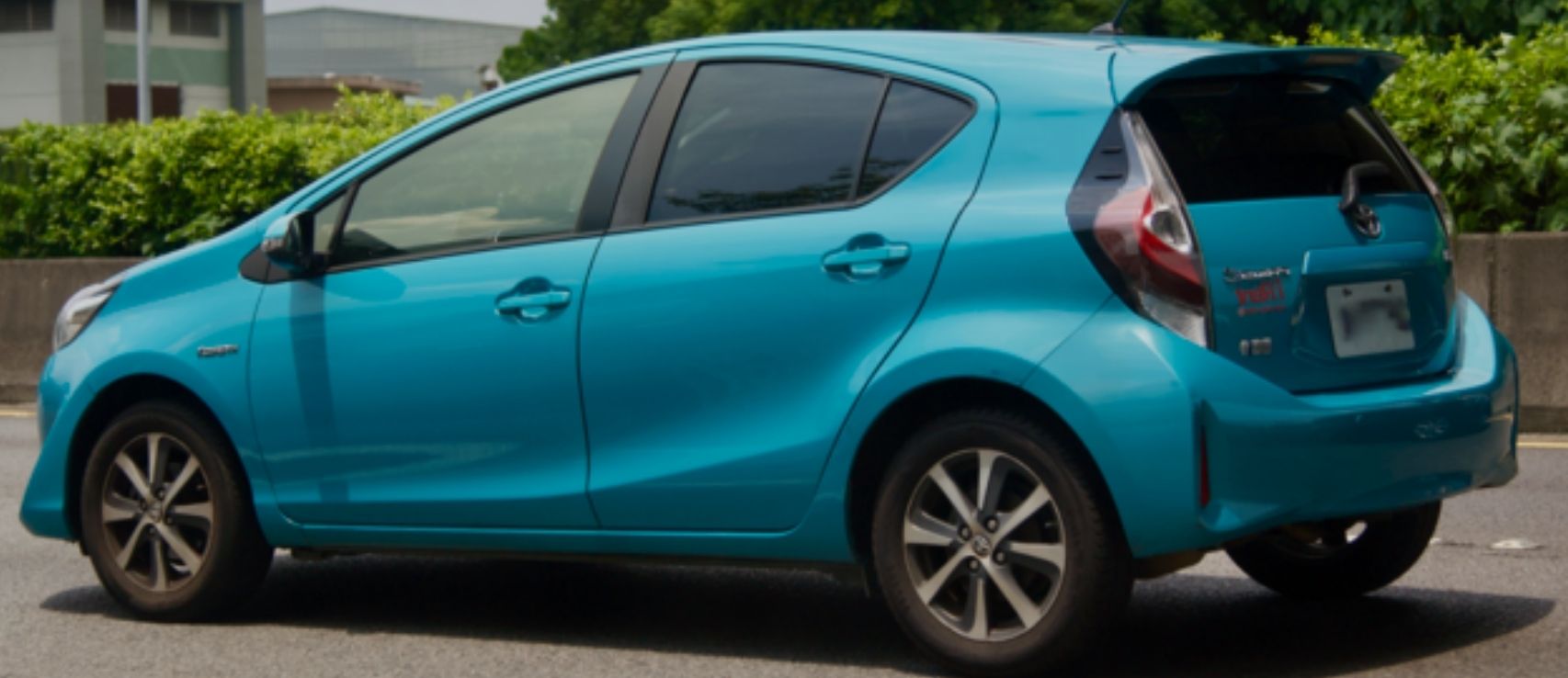
The Toyota Aqua is New Zealand's clearest example of how theft risk drives premiums. According to AMI Insurance's latest data, the Toyota Aqua has now held the title of New Zealand's most stolen car for the fourth consecutive year. Despite an overall decline in national theft figures, Auckland continues to record the highest volume of thefts, followed by Canterbury and Waikato. The Aqua, along with the Nissan Tiida, Toyota Corolla, Mazda Demio, and Toyota Vitz, consistently ranks among the most stolen vehicles in New Zealand.
The insurance cost impact is substantial. Based on Quashed's 2026 data, published in Toyota Aqua Insurance 2026: How to Lower Premiums on NZ's Most Targeted Car, the average comprehensive premium for a Toyota Aqua is $1,423.47 per year ($129.76/month). Regional premiums vary considerably:
Region | Average Comprehensive Premium (2026) | Average Monthly |
Auckland | $1,629.28 | $147.92 |
Wellington | $1,313.12 | $117.33 |
Christchurch | $1,333.54 | $120.30 |
For drivers choosing cover type, third-party fire and theft (TPFT) averages $777.70/yr ($70.30/month), while third-party only averages $314.47/yr ($28.20/month) — 78% cheaper than comprehensive, though with significantly less protection given the Aqua's theft risk profile.
The most telling figure is the premium spread. Quashed's 2026 data shows that for the same Toyota Aqua, the average highest premium found is $2,192.10/yr while the average lowest is $930.17/yr — a potential annual saving of $1,261.93 simply by comparing. This is why model choice and insurer choice are equally important decisions.
By model year, insurance costs for the Aqua also vary meaningfully: a 2013 Aqua averages $1,706.42/yr, a 2015 model $1,395.41/yr, and a 2018 model $1,539.03/yr — reflecting differences in security features, parts costs, and assessed risk across the model's production history.
Beyond the Aqua, other vehicle types that typically attract higher premiums include:
High-performance and sports cars: Associated with higher speeds and greater accident risk; often more expensive to repair.
Vehicles with expensive or complex parts: Specialist labour requirements and imported parts add significant cost to any repair claim.
Heavily modified vehicles: Any change from factory standard must be declared to your insurer and will likely raise your premium. Undeclared modifications can void your policy entirely.
The Lesson:
A fuel-efficient car that is cheap to buy and cheap to run can still be expensive to insure if it carries a high theft profile. The Toyota Aqua's average comprehensive premium of $1,423.47 per year is not reflected in its sticker price or its fuel economy figures — you will only discover it when you get a quote. For Aqua owners in Auckland, that premium reaches $1,629.28. Checking insurance costs before purchase is the only way to get a complete picture of what a vehicle will actually cost you each year.
The Action:
Before shortlisting any vehicle, run a free Quashed Market Scan to see how the theft risk and repair profile of that specific make and model affects your premium across 10+ NZ insurers. If you already own a high-theft-risk vehicle like the Aqua, compare quotes at every renewal — the data shows Aqua owners can save up to $1,261.93 per year by switching from the most expensive to the most competitive insurer. For a full breakdown of cover options, costs, and security tips, read: Toyota Aqua Insurance 2026: How to Lower Premiums on NZ's Most Targeted Car.
Step 4. Factor in Electric Vehicles — EV Insurance Costs More, and Here's the Proof
Electric vehicles (EVs) are an increasingly important part of the New Zealand car market. By 2024, there were 77,670 battery electric vehicles registered in New Zealand — a 16-fold increase from just 4,483 in 2017. But EV ownership introduces specific insurance considerations that buyers need to understand before committing to a purchase.
The Data:
Quashed compared popular EVs against similar petrol and hybrid models using standardised Market Scan data — a 40-year-old from West Auckland, with consistent sum insured and excess across all comparisons — and published the results in Electric Vehicles: Do They Cost More to Insure? The results are organised into three case studies, each comparing an EV against equivalent petrol and hybrid models.
Case Study 1: Tesla Model Y vs Subaru Forester 2.5i vs Toyota RAV4 Hybrid
Vehicle | Type | Average Annual Premium (Comprehensive) |
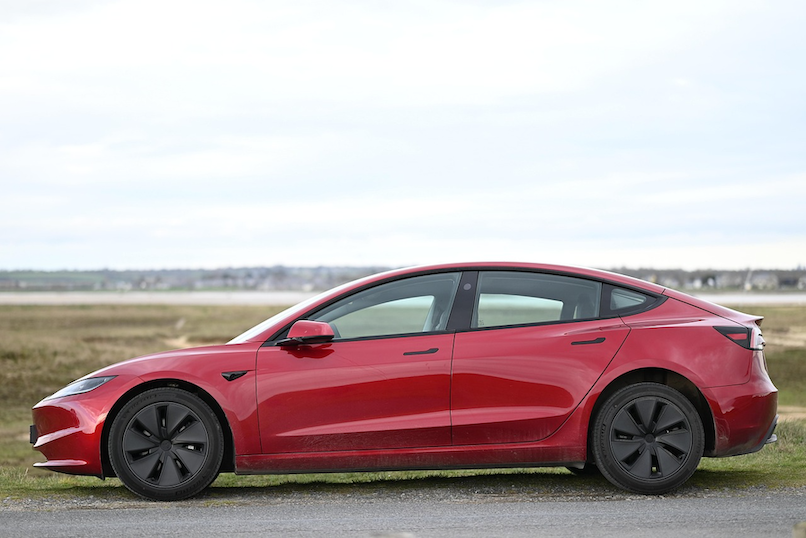
Tesla Model Y | EV | $2,800 |
Toyota RAV4 Hybrid | Hybrid | $2,172 |
Subaru Forester 2.5i | Petrol | $2,003 |
The Tesla Model Y's average insurance cost of $2,800 is approximately 40% higher than the petrol Subaru Forester 2.5i ($2,003) and about 29% higher than the Toyota RAV4 Hybrid ($2,172). Tesla vehicles require specialised tools and technicians, and as a newer manufacturer, Tesla lacks the large-scale parts and distribution networks that long-established brands like Toyota and Subaru have built.
Case Study 2: Nissan Leaf vs Mazda 3 vs Toyota Corolla Hybrid
Vehicle | Type | Average Annual Premium (Comprehensive) |
Nissan Leaf | EV | $1,813 avg ($1,442–$2,078) |
Toyota Corolla Hybrid | Hybrid | ~15% less than Nissan Leaf |
Mazda 3 | Petrol | ~3.9% more than Corolla Hybrid |
The Nissan Leaf carries the highest insurance costs in this group, ranging from $1,442 to $2,078, with an average of $1,813. The Toyota Corolla Hybrid offers a solid middle ground, being 15% cheaper to insure than the Leaf — blending fuel efficiency with lower insurance costs typical of hybrids.
Case Study 3: BYD Atto 3 vs Mazda CX-5 vs Hyundai Tucson Hybrid
Vehicle | Type | Average Annual Premium (Comprehensive) |
BYD Atto 3 | EV | $2,599 |
Mazda CX-5 | Petrol | $2,423 |
Hyundai Tucson Hybrid | Hybrid | $2,354 |
The BYD Atto 3, at $2,599, is 7.2% more costly to insure than the Mazda CX-5 ($2,423) and 10.4% more than the Hyundai Tucson Hybrid ($2,354). Higher premiums stem from specialised repair needs and limited parts availability. The Hyundai Tucson Hybrid offers the best balance of technology and affordability in this group.
Three factors explain why EVs are consistently more expensive to insure:
Higher vehicle values: EVs are often more expensive to purchase than equivalent petrol models, resulting in higher sum insured amounts and therefore higher premiums.
Specialised repair requirements: EVs require specialist tools and technicians. Newer EV manufacturers lack the large-scale parts networks of established brands, making repairs more complex and expensive.
Evolving risk profiles: EVs are relatively new technology, and their full risk profile is still being understood by the insurance industry — a degree of uncertainty that is built into premiums.
Not all EVs are equally expensive to insure. The Nissan Leaf — one of New Zealand's earliest and most established EVs — has a simpler design, a proven track record, and wider parts availability than newer EV models, which keeps its premiums significantly below vehicles like the Tesla Model Y and BYD Atto 3.
For a full comparison of EV versus petrol insurance costs in New Zealand, read: Electric Vehicles: Do They Cost More to Insure?
The Lesson:
The insurance cost of an EV is a meaningful part of its total cost of ownership — and one that is frequently overlooked by buyers focused on fuel savings. A Tesla Model Y's insurance premium running approximately 40% above a comparable petrol SUV can offset a significant portion of annual fuel savings. Factor insurance into your EV purchase decision from the outset.
The Action:
If you are considering an EV purchase, run a Market Scan on Quashed for both the EV you are considering and a comparable petrol or hybrid alternative. Compare the total annual insurance cost alongside fuel, maintenance, and purchase price to arrive at a true cost of ownership comparison before committing.
Final Verdict: Compare Before You Buy, Not After
The vehicle you choose is one of the most powerful levers you have over your annual car insurance premium — yet it is consistently the factor Kiwi car buyers think about last. The data in this guide makes the cost of that oversight clear. The average Auckland insurance premium difference between a Toyota Corolla and a Ford Ranger is $688 per year. The Toyota Aqua — fuel-efficient and affordable to buy — costs 37% more to insure than the Corolla because of its theft profile. A Tesla Model Y carries a comprehensive premium approximately 40% higher than a comparable petrol SUV.
According to Quashed's Q4 2025 data, the national average for comprehensive car insurance is $1,298 per year, with Auckland averaging $1,510, Wellington $1,152, and Canterbury $1,215. Kiwis who don't compare pay an average loyalty tax of $1,351 across their car, house, and contents policies combined. Those who do compare save an average of $367 per year on car insurance alone.
The core principles are straightforward: understand how your insurer prices your specific vehicle; check real premium data for the models you are comparing; assess theft risk and its premium impact; factor in the additional insurance cost of EVs; and compare across multiple providers. Use the free Quashed Market Scan to run real-time quotes for any vehicle you're considering. It takes under two minutes and gives you the full picture of what your next vehicle will actually cost — before you commit.
Related Reading
The Quashed team has the guides you need to make smarter insurance decisions at every stage:
Comparing Insurance Costs for the Most Popular Cars in NZ – Real premium data for the Ford Ranger, Toyota Corolla, Toyota Hilux, Mazda CX-5, and Mitsubishi Outlander across Auckland, Wellington, and Christchurch.
Ultimate NZ Guide to Car Insurance (2025) – Everything you need to know about car insurance in New Zealand: cover types, premium factors, and how to compare.
Electric Vehicles: Do They Cost More to Insure? – EV vs petrol and hybrid insurance cost comparisons using Quashed Market Scan data across three case studies.
Insuring Your Toyota Aqua – What You Need to Know in 2026 – What NZ's most stolen car means for your cover options, costs, and what to do about it.
Cheap Car Insurance NZ 2026: Proven Ways to Lower Your Premium – Practical, data-backed strategies to reduce your car insurance costs without reducing your cover.
Average Car, House, and Contents Insurance Cost NZ 2026: Monthly Payment Guide – The latest Quashed Index Q4 2025 data on NZ insurance premiums, regional breakdowns, and the loyalty tax.
Frequently Asked Questions: Vehicle Choice and Car Insurance in New Zealand
How much does the make and model of my car affect my insurance premium?
Significantly. Your vehicle's make and model affects your premium through three main channels: the cost and availability of parts (which determines repair costs), the vehicle's historical theft rate (which affects the likelihood of a theft claim), and the complexity of the vehicle's technology (which affects accident repair costs). According to Quashed's Comparing Insurance Costs for the Most Popular Cars in NZ, the average annual premium difference between a Toyota Corolla and a Ford Ranger in Auckland is $688 — for vehicles that may be purchased at similar price points in the used car market.
Which cars are cheapest to insure in New Zealand?
Based on Quashed's data published in Comparing Insurance Costs for the Most Popular Cars in NZ, the Toyota Corolla is consistently one of the most affordable vehicles to insure, averaging $1,240 per year in Auckland, $989 in Wellington, and $958 in Christchurch for comprehensive cover. Generally, vehicles with mainstream parts availability, established local repair networks, and lower theft rates attract lower premiums.
Is the Toyota Aqua expensive to insure?
Yes — significantly so. The Toyota Aqua is New Zealand's most stolen car according to data from AA Insurance, AMI Insurance, and Cove Insurance. For every 1,000 insured Aquas, 54 had a theft claim — compared to 15 per 1,000 Corollas. As a result, the Aqua is typically 37% more expensive than the Corolla for comprehensive cover, and 47% more expensive for third-party fire and theft, according to Quashed. Annual premiums can vary by more than $1,200 between insurers for the same vehicle. For full details, read Quashed's article: Insuring Your Toyota Aqua – What You Need to Know in 2026.
Are electric vehicles more expensive to insure in New Zealand?
Generally, yes. Quashed's Market Scan data, published in Electric Vehicles: Do They Cost More to Insure?, shows a Tesla Model Y averaging $2,800 per year for comprehensive cover — approximately 40% more than a comparable Subaru Forester 2.5i ($2,003). A BYD Atto 3 averages $2,599, around 7.2% more than a Mazda CX-5 ($2,423). The Nissan Leaf is a notable exception — its simpler design and wider parts availability keep its premiums well below newer EV models like the Tesla Model Y and BYD Atto 3. Higher EV premiums reflect higher vehicle values, specialist repair requirements, and limited parts availability.
What does car insurance cost on average in New Zealand?
Based on Quashed's Q4 2025 Index data, published in the Average Car, House, and Contents Insurance Costs NZ 2026 article, the national average for comprehensive car insurance is $1,298 per year ($108 per month). Auckland averages $1,510 per year ($126 per month), Wellington $1,152 per year ($96 per month), and Canterbury $1,215 per year ($101 per month). While premiums dropped 2% year-on-year, they increased 6% from Q3 to Q4 2025 — suggesting costs may be rising again.
Should I check insurance costs before buying a car?
Absolutely. The insurance cost of a vehicle is a meaningful part of its total cost of ownership but is not reflected in the purchase price or dealership running cost estimates. A vehicle that costs $2,000 less to buy but $400 more per year to insure is the more expensive choice over three years of ownership. Use the free Quashed Market Scan to run real-time insurance quotes for any vehicle you're considering before you commit. You can start with the vehicle's number plate if you have it.
How much can I save by comparing car insurance in New Zealand?
According to Quashed's Q4 2025 data, Kiwis who shopped their car insurance with Quashed found a cheaper policy 80% of the time, with average savings of $367 per year. Kiwis who don't shop around pay an average loyalty tax of $1,351 per year across their combined car, house, and contents policies. The Quashed Market Scan is free and takes under two minutes to run.
Do modifications affect my car insurance?
Yes — and not declaring them can cost far more than any premium increase. Any change from your vehicle's factory standard is considered a modification: engine tuning, lowered suspension, custom wheels, window tints, and non-standard audio all qualify. Modifications must be declared to your insurer. Failing to do so can void your policy, leaving you uninsured even if the modification had no bearing on the incident. As noted in Quashed's Cheap Car Insurance NZ 2026: Proven Ways to Lower Your Premium, declared modifications typically result in a premium increase, reflecting the changed risk profile of the vehicle.

